A Burning Smell in Your Thornleigh Home
A burning smell from anywhere electrical is a drop-everything moment. It is about the loudest warning a home gives you before a fault turns dangerous.
Call (02) 9538 7356 right now while the smell is still there, day or night.
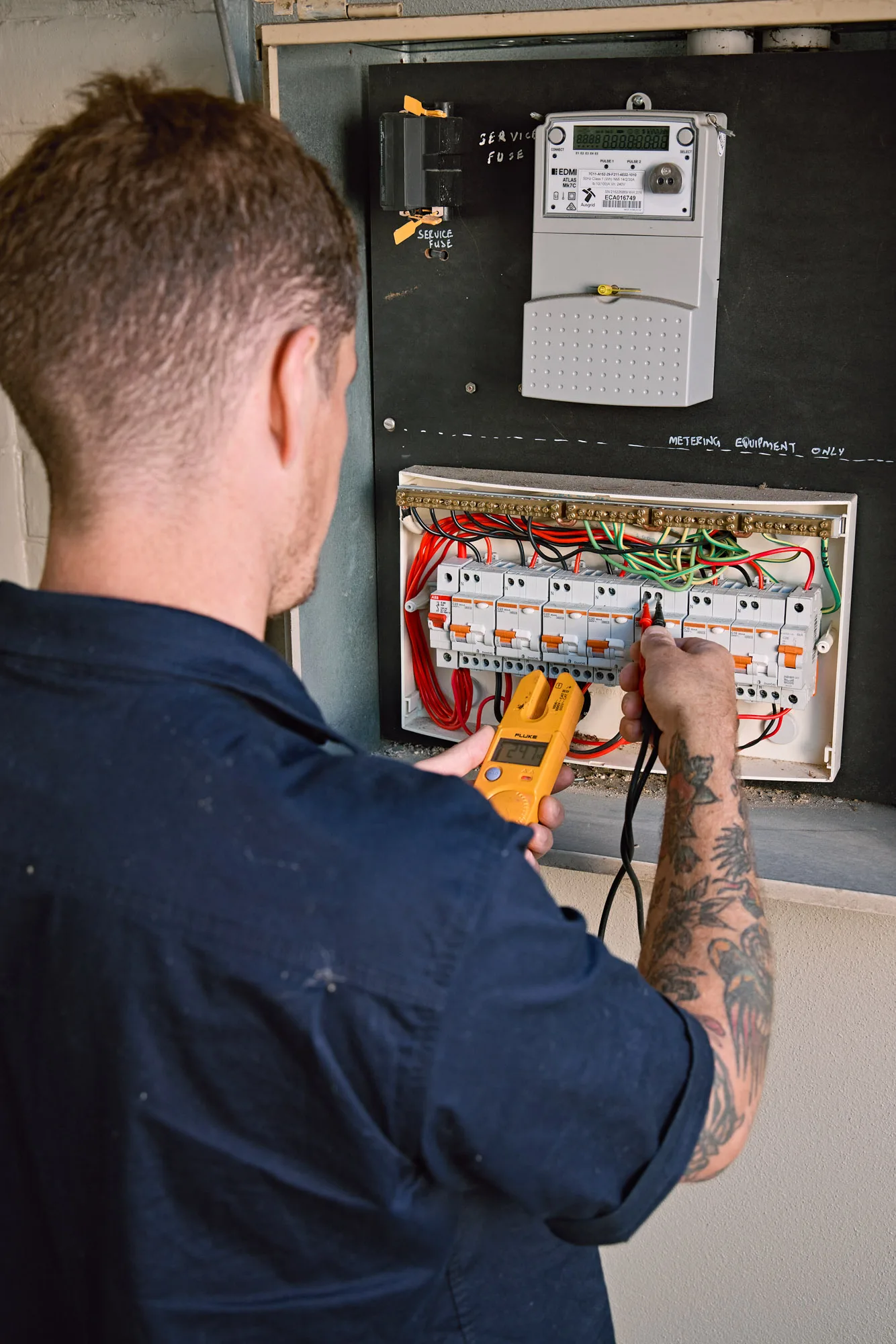
Burning Smell, Explained in Plain English
A burning smell almost always means something is overheating: a loose connection, an overloaded circuit, or insulation breaking down under heat it was never designed to handle.
The smell itself is the plastic or rubber components around the wiring starting to degrade. By the time you can smell it, heat has already been building for a while.
It's worth telling the difference between a genuine electrical smell and something unrelated. A hot dust smell from heating vents that clears after a few minutes at the start of the season is normal.
A sharp, plasticky smell that lingers is not. That's the one that needs a call.
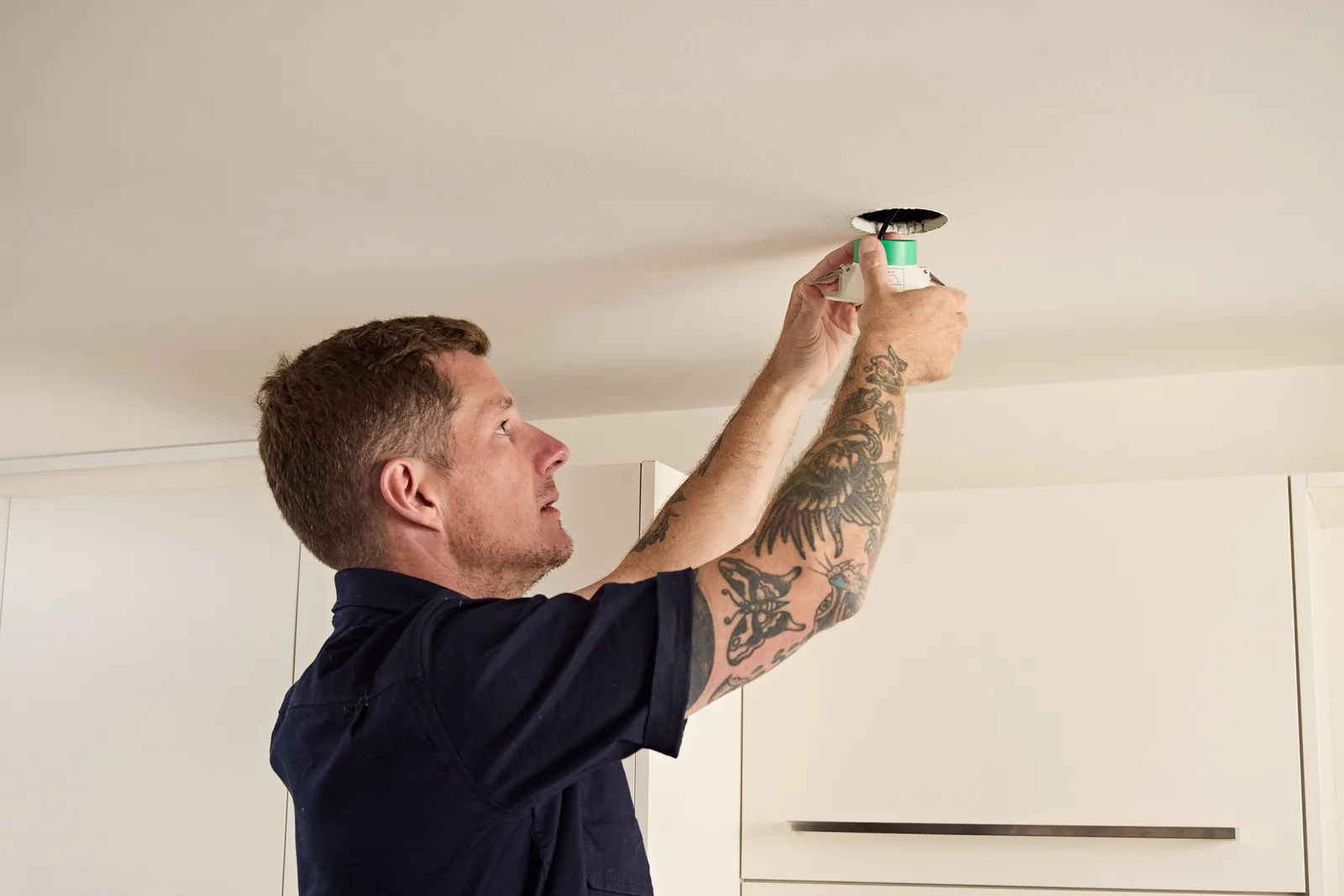
When a Burning Smell Is Urgent
This is always urgent. There is no version of a genuine electrical burning smell that can wait a day or two.
If you can pinpoint the source, isolate that circuit immediately. If you can't, cut power at the mains and pick up the phone to us right now.
Visible smoke, sparking, or heat you can feel through a wall or power point means get everyone clear and call (02) 9538 7356 before doing anything else.
There's no middle ground on this one. Most faults on this site have a version that can reasonably wait for a scheduled visit.
This one doesn't.
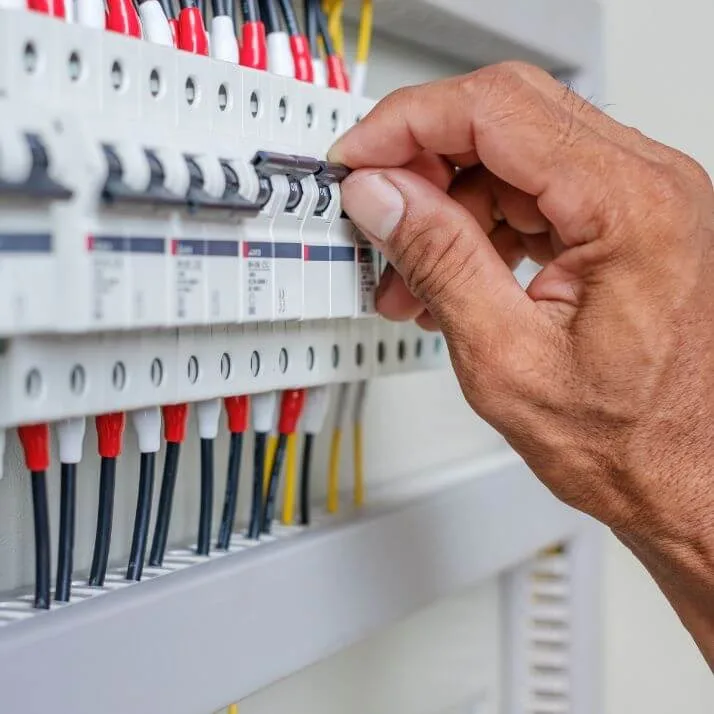
What Usually Causes It
A burning smell traces back to one of a small number of causes.
- A loose connection behind a switch or outlet, or inside the board itself, generating heat as current arcs across the gap
- An overloaded circuit, pushed well past what its wiring was ever designed to handle
- A failing appliance with a fault inside its own wiring or motor
- Old or degraded insulation, common in Thornleigh's original pre-war wiring
- A pest issue, where rodents have chewed through insulation and exposed live wire
- Water ingress into a switch, point, or the switchboard, especially after storms
Each of these needs a different fix, which is why finding the actual cause matters more than treating the smell on its own.
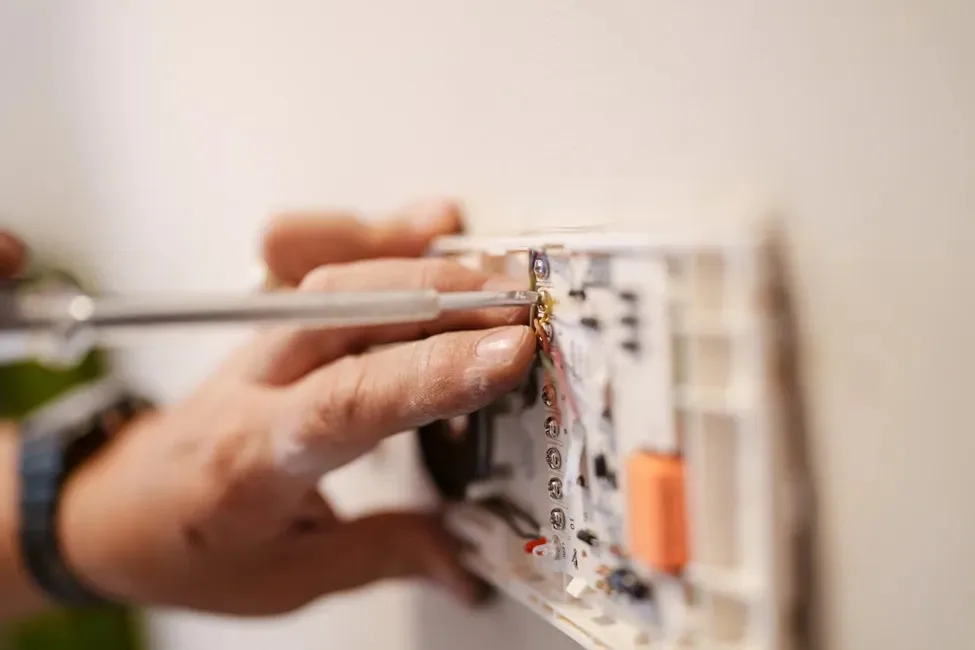
What To Do Right Now
- Switch off the circuit involved at the board if you know which one it is.
- If you're not sure which circuit, flick the main switch and cut power to the entire property.
- Get everyone, including pets, away from the immediate area.
- Call (02) 9538 7356 immediately. This is not a wait-and-see situation.
How We Fix and Certify the Repair
We use thermal imaging to pinpoint exactly where the heat is coming from, rather than working off your nose and a hunch.
Once located, we isolate and repair the specific fault: replacing a connection, rewiring a damaged section, or addressing whatever the thermal scan has revealed.
The repair is tested under load before we leave, and a Certificate of Compliance is issued for any notifiable work, confirming it's been done to AS/NZS 3000 standard.
Where the source is a single degraded connection, that's often all it takes. Where the thermal scan turns up more than one hot spot, we'll walk you through exactly what we found and what it means before quoting anything further.
The Thornleigh Pattern We Keep Seeing
A share of Thornleigh's oldest housing, built before and just after the war, still carries original wiring that has never been fully assessed since installation.
Insulation in wiring that age degrades slowly and quietly, and often a smell is the very first thing you notice once decades of ageing catch up with a connection.
Renovations compound this. A wall opened up for a kitchen or bathroom update often exposes old cabling that was never designed to be disturbed, and that's a common point where a smell first appears.
What Happens If It's Ignored
A burning smell that fades on its own hasn't fixed itself. The connection or insulation that caused it is still there, and the conditions that made it heat up once are still present.
Each time it happens again, the surrounding material is a little more degraded than before. What starts as a faint smell that clears in an hour can, over repeated cycles, progress to actual scorching or ignition.
This is the one fault on our list where "it went away" is not good news. It means the immediate trigger passed, not that the underlying problem did.
We'd rather check a smell that turns out to be nothing than have someone tell themselves it wasn't worth calling about.
How to Stop It Happening Again
Prevention here is mostly about not waiting for the smell to show up in the first place.
- Get an ageing switchboard assessed before it shows obvious signs of trouble
- Have old wiring inspected if the home predates the 1980s and has never had a full check
- Add safety switches to circuits that don't already have one, which catch some faults early
- Don't ignore warm switches or power points, even without a smell yet
- Get exposed cabling assessed whenever a kitchen or bathroom job disturbs an old wall
Our electrical fault-finding service covers the diagnostic work that catches these issues before they escalate.
Related Faults and Surrounding Areas
A scorched power point and a general burning smell are frequently the same underlying fault at different stages, and a humming or crackling board can signal the same problem building before you can smell it.
We also service Hornsby, Wahroonga and Westleigh from the same local coverage.

Get in Touch Today Before It Gets Worse
A burning smell is the one electrical symptom worth acting on immediately, every time.
Call (02) 9538 7356 now. We treat this as genuinely urgent, day or night.
Common questions
Your Burning Smell FAQs
Here's what people want to know once they've noticed the smell for themselves.
Should I turn off the mains if I smell burning?
If you can't immediately tell where the smell is coming from, yes, switch off at the mains and call us straight away. It's better to lose power for an hour than take a chance on an active fault.
Is a burning smell always an emergency?
Treat it as one until proven otherwise. A burning smell is one of the few electrical symptoms where waiting genuinely carries risk, so it goes straight to the top of the list.
How long does it take to find and fix the source?
Locating the source is usually quick once we're on site with thermal imaging. The repair itself depends on what we find, and we'll quote it honestly before starting.
Why does the smell seem worse during storms?
Storms add extra electrical load and moisture, which can push a marginal connection that's been fine until now into actually overheating. It's the fault getting exposed, not created.
Will my safety switch protect me from this?
Not necessarily. A safety switch protects against electric shock from an earth fault, but a connection can overheat and smell without ever tripping one. That's exactly why a burning smell needs its own inspection.
Can I keep using the circuit while I wait for someone to arrive?
No. Isolate that circuit at the switchboard if you can do so safely, and don't use it again until it's been checked. Continuing to run current through an overheating connection is how faults become fires.