Power Outages: What It Means and What to Do
Power's gone. Before you start flicking switches, it helps to know whether the problem is yours or the street's.
Either way, a call to (02) 9538 7356 gets it looked into properly, often same or next day.
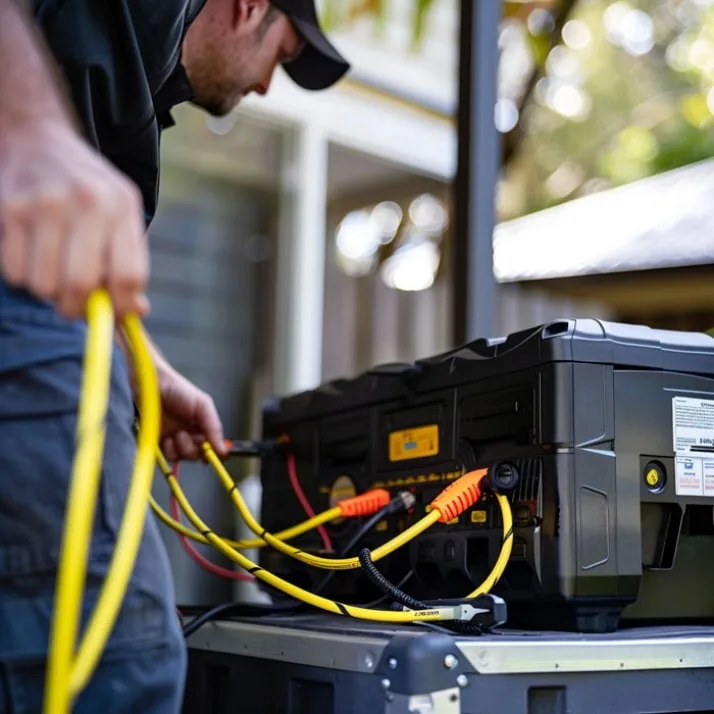
Why Your Power Is Out
Two very different things cause an outage, and telling them apart matters.
One is a network fault: a problem on the supply side, affecting more than one house. The other sits inside your own boundary, at the board or on a circuit, and that one is ours to fix.
From inside the house, both look identical: the lights go off and stay off. A main switch flicked down, a tired circuit that finally gave up or a fuse gone under load all leave you standing in the same dark room.
Six Causes, From Common to Rare
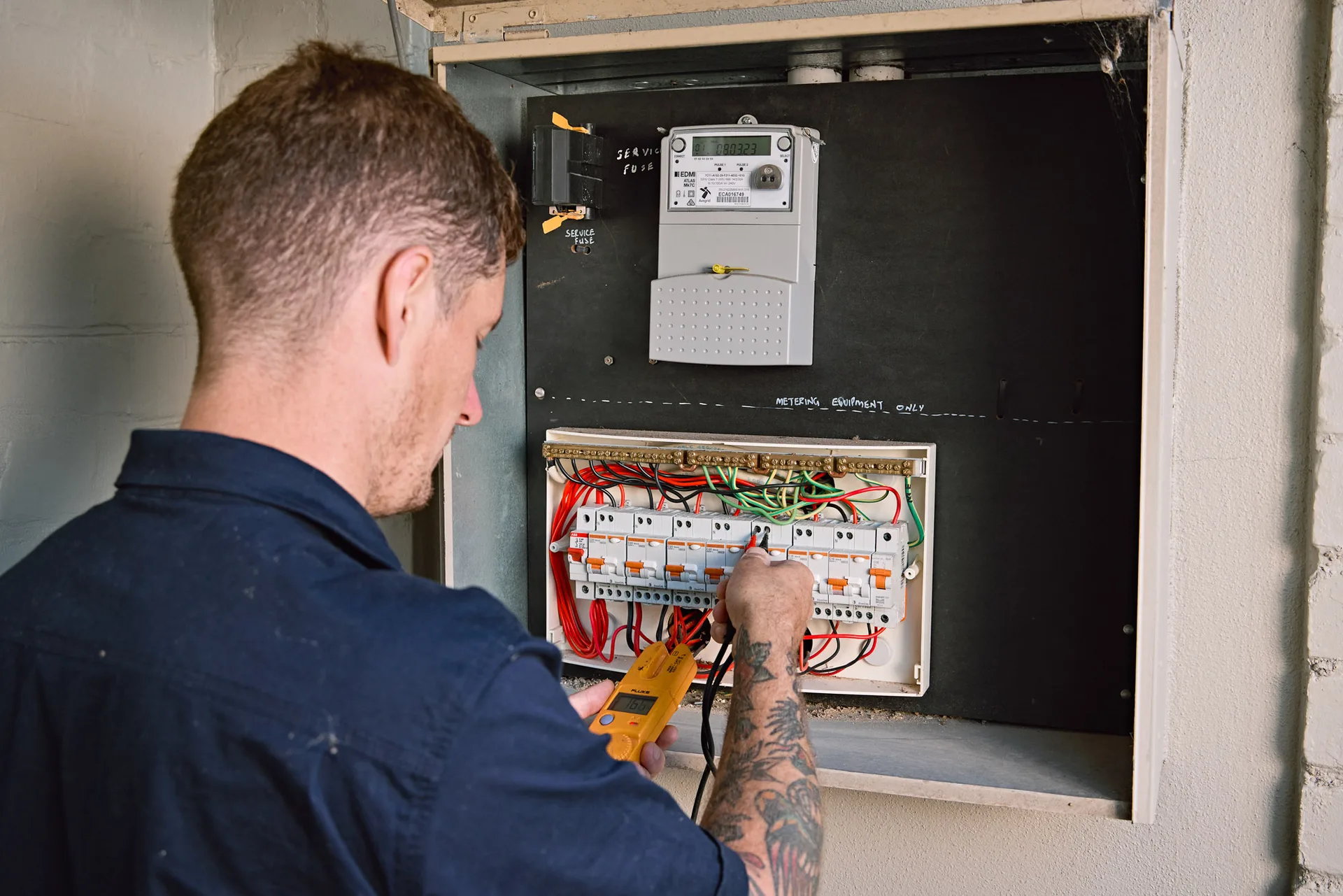
Most outages trace back to one of these. Some are a five-minute fix, others need a proper look before we can say what's involved.
- A main switch or safety switch that has tripped, thrown by an overloaded circuit or a piece of gear that has developed a fault
- A fuse that has let go, the usual story where a board is still wired for ceramics rather than breakers, common in homes that predate the modern panel
- A loose or failed connection at the switchboard, sometimes from age, sometimes from a botched past repair
- Storm damage to the service line or a nearby pole, which is a network issue rather than yours
- One appliance pulling too much current and dragging its whole circuit down with it
- A genuine street-wide outage, where the fault sits with the network provider, not your home
How Serious Is It?
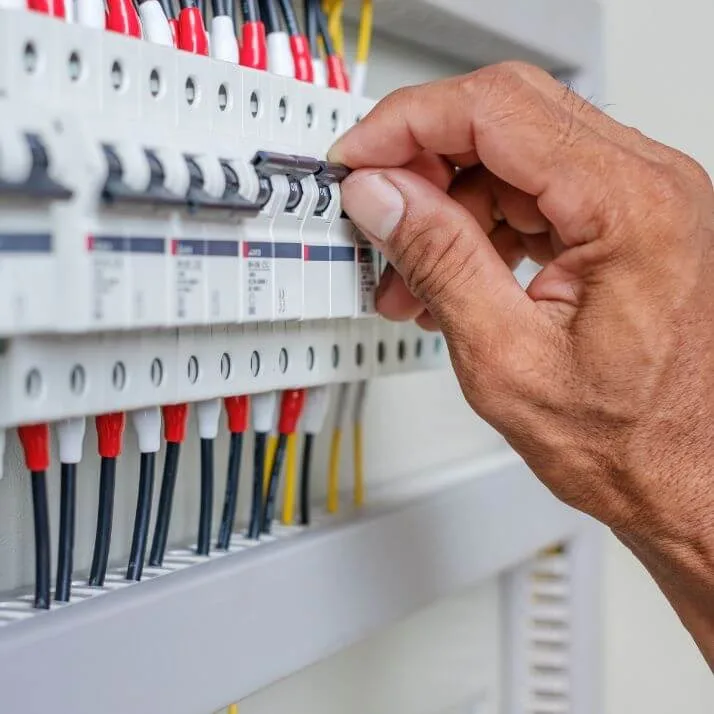
Power gone across the whole house, with nothing burning and nothing scorched, is inconvenient rather than dangerous. It can usually wait for a scheduled visit.
Burning smell, scorch marks, or a switchboard that is warm to touch changes that. Treat it as urgent and get it looked at straight away.
Repeated outages with no obvious cause are also worth acting on sooner rather than later. A circuit that keeps failing is telling you something is wearing out.
Your House or the Whole Street?
This is the first thing worth working out, because it changes what happens next.
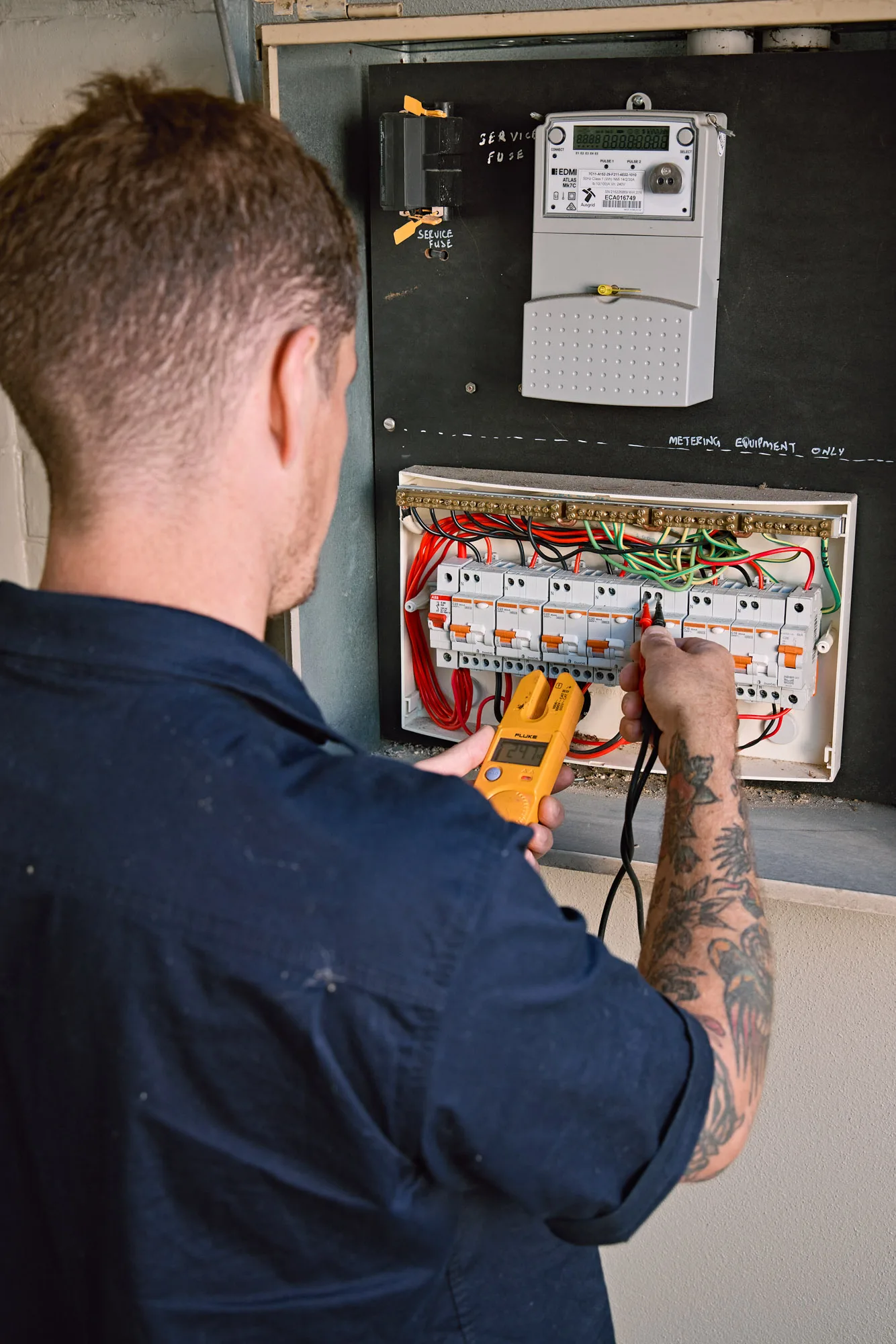
If the house next door still has lights on and yours doesn't, the fault sits at your switchboard or in your wiring. That's a job for us.
If the whole street is dark, that's a network fault upstream of your meter. No electrician can fix a supply-side outage, and reporting it goes through the network operator rather than a call-out.
A quick way to tell without knocking on doors: check whether a neighbour's porch light or a streetlight nearby is on.
If everything close by is lit and only your place is dark, don't wait on the network to sort it. Book a technician to check your board instead.
This distinction matters more than it sounds. We get calls every year from homeowners who have spent an evening in the dark assuming a storm knocked out the street, when the actual fault was a tripped main switch sitting quietly at their own board the whole time.
Do This First
- Check with a neighbour. If their power is out too, it is a network fault, not yours, and there is nothing to fix at your end.
- Look at your switchboard. A tripped switch sitting in the "off" position, or a blackened fuse, points to a fault inside the house.
- Unplug anything unusual. If a new appliance was running when the power dropped, unplug it before resetting anything.
- Call us if it trips again. A switch that will not stay reset needs a licensed electrician, not another attempt at the switch.
How We Fix It, Step by Step
We start by isolating which circuit is actually at fault, rather than guessing from the switchboard alone.
From there we test each circuit under load, trace the fault to its source, and repair or replace whatever has failed. If a ceramic-fuse setup is behind it, we will usually move you across to breakers as part of the same visit, since that takes the weak point out for good.
We explain what we find as we go, in plain English, before anything is touched. If the fault turns out bigger than expected, you get a revised written quote before we keep going, never a surprise on the invoice.
Every repair is tested before we leave and comes with a Certificate of Compliance where the work is notifiable.
The Thornleigh Pattern We Keep Seeing
Thornleigh sits high on the Hornsby Plateau, and summer storms up here hit hard enough to stress an ageing board that has been coping fine until then.
Houses from the suburb's earliest building years around the station are the ones we see this in most, simply because their boards were sized for a smaller home than the one standing there now.
Add a bigger fridge, ducted heating and a couple of extra TVs over the decades, and a board built for a much simpler household starts running closer to its limit every summer. An outage is often the first real sign of that.
Keeping It From Coming Back
A repeat outage is rarely bad luck. It is usually a board or circuit telling you it has reached its limit.
- Fit safety switches on every circuit if the home does not already have them
- Retire a ceramic-fuse setup in favour of breakers before one lets go at the worst possible moment
- Spread the load across more circuits rather than running everything off one
- Book a switchboard check if the home has never had one, especially in older Thornleigh stock
If any of these sound overdue, our switchboard upgrades page covers what that job actually involves.
Nearby Suburbs and Related Faults
A breaker that keeps tripping and a full outage often share the same root cause, and a board that has started buzzing or humming is frequently the early warning sign of the same fault getting worse.
We service Thornleigh alongside Normanhurst, Pennant Hills and Hornsby, so a technician already knows the local housing stock before they arrive.

Call Us Today, We Will Sort It
A power outage that will not resolve itself is worth a proper look, not another guess at the switchboard.
Call (02) 9538 7356 and we will talk you through it, often same or next day.
Common questions
Common Power Outages FAQs
Still have a question about your outage? These are the ones we hear most.
Do old fuses make outages more likely?
Yes. A ceramic fuse board trips harder and more often under a modern load than a circuit breaker does, so a house still running one is more prone to losing power on its own.
How long does it take to fix a power outage?
If the cause is on your side, most fault-finding and repair jobs are sorted in a single visit. A full board replacement can run longer, and we will tell you which one it is before we start.
Should I turn off the mains switch during an outage?
Only if you can smell burning or see damage at the switchboard. Otherwise leave it alone and call us. Flicking switches blind can make fault-finding harder, not easier.
Why does the power seem to go out more in storms?
Storms put real stress on ageing circuits and boards that are already close to their limit, and a fault that has been building quietly can finally give out under that extra load.
Is the outage my appliance or my wiring?
If one appliance dying kills power to a whole circuit, the fault is almost always in the wiring or the board, not the appliance itself. We test both to confirm before quoting anything.
Will the repair come with a certificate?
Yes. Notifiable electrical work gets a Certificate of Compliance lodged with NSW Fair Trading, included in the price we quote you.